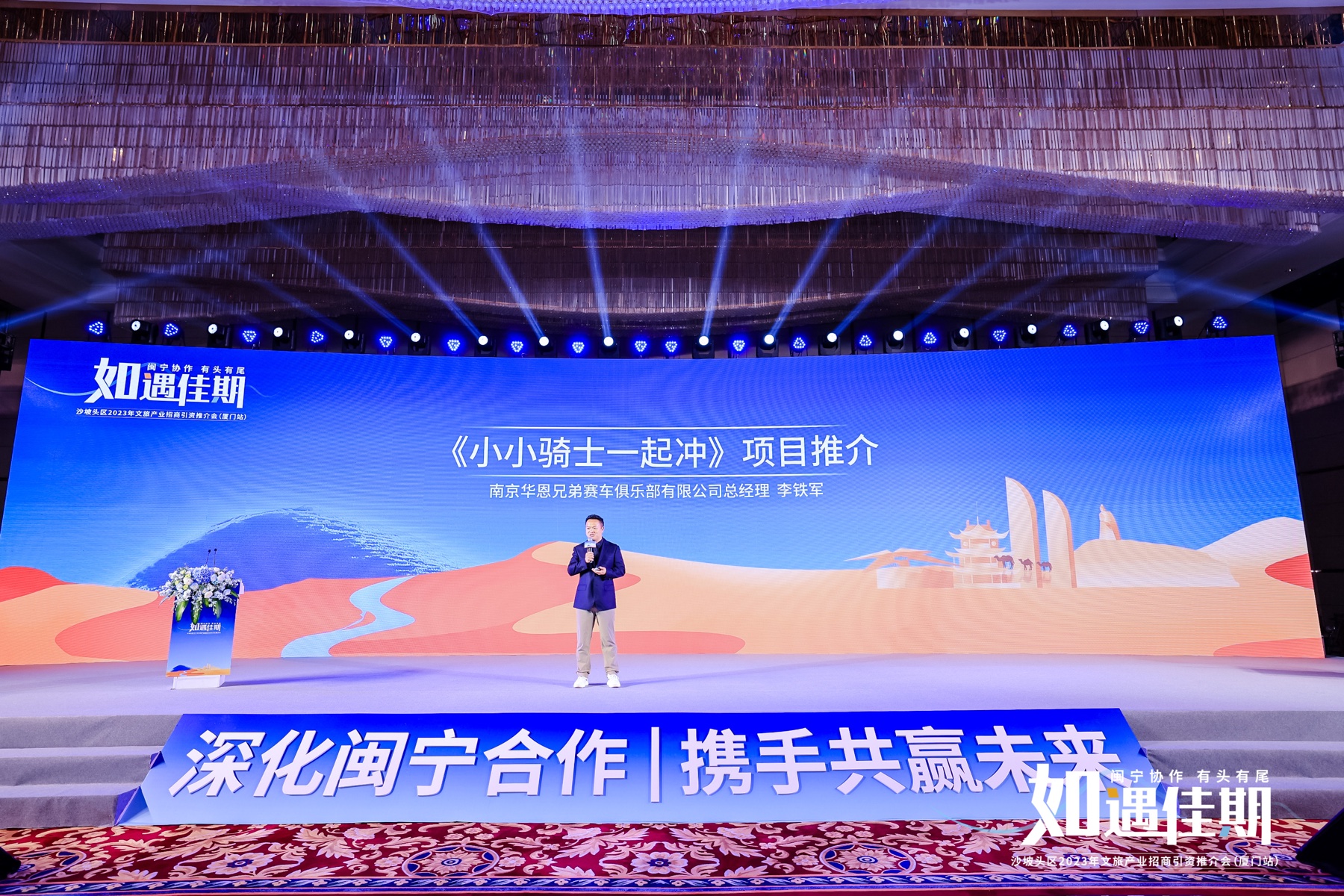
In brief
A nine-day camp can plant a seed, but lasting growth needs connected stages, increasing responsibility, honest feedback, and room for different strengths.
Key points
- A single camp should not promise to transform a child. Its value may be helping the child see a new capability for the first time.
- Progression should mean greater judgment, responsibility, and contribution—not simply more speed, distance, danger, or expense.
- A long-term pathway must respect different readiness levels and make space for roles beyond driving, including navigation, mechanics, logistics, media, and coordination.
The question after camp is rarely about another activity
At the end of a Little Knights camp, parents often ask: “What can my child do next year?” The surface question is about the calendar. The deeper question is whether a new sense of confidence, responsibility, or interest will survive after the child returns home.
A child may have packed equipment without being reminded, waited for a tired teammate, spoken up in a group, or discovered an interest in routes, machines, images, or organising people. Parents do not want those small changes to disappear into a photo album.
That is why the next step should not be designed as another isolated experience. It should help the child recognise what changed, practise it again, and take on a slightly different kind of responsibility.
Nine days cannot transform a child—and should not claim to
A camp cannot permanently remove fear, create mature leadership, repair family relationships, or guarantee academic improvement. Children arrive with different ages, histories, personalities, and levels of readiness. The same route will not produce the same result in every participant.
The honest value of a short experience is smaller and more useful: it can help a child see, perhaps for the first time, “I can manage this,” “I can help someone,” or “my observation matters to the team.”
That recognition is a seed. Stable ability comes from repeated real experiences, gradually increasing responsibility, reflection after mistakes, and an environment that respects the child’s pace.
A camp may not change a child’s life in nine days. It can help the child glimpse a self they have not met before.
The most important changes are often small
Growth does not always arrive as a trophy, a faster time, or a dramatic before-and-after story. It may appear in the minutes before a morning departure, when a child checks personal equipment without being chased.
It may appear when a tired participant waits for someone slower, or when a child admits a poor decision during reflection and listens to another explanation before trying again.
Some children naturally speak at the front. Others notice missing items, understand a route, become curious about mechanics, document the team through images, or quietly keep a group organised. A serious pathway should help each child discover where they can create value—not reward only the most visible personality.
Progression should mean more responsibility, not just more intensity
More activities do not automatically create more growth. If every experience begins again from zero, children keep entering new scenes but rarely deepen the same capability.
A connected path should gradually increase task complexity, independence, responsibility, and the consequences of choices. At the same time, direct reminders from coaches can gradually decrease as the participant demonstrates readiness.
Progression is not automatically a faster vehicle, a more dangerous route, a longer distance, or a higher price. It is the shift from “tell me what to do” toward “I understand why this matters, and I accept responsibility for my part.”
Three possible stages: self-management, action, contribution
Little Knights can serve as an entry point: the participant enters an unfamiliar real environment, learns basic rules, manages personal equipment, completes bounded tasks, and begins moving from being cared for toward caring for themselves.
Silk Road Knights is a direction under further development and testing. Its purpose would be to move from completing assigned tasks toward participating in action: route judgment, shared supplies, clearer team roles, changing plans, and greater responsibility for how one choice affects other people.
Black Horse Knights is a longer-term idea about contribution. A rally team needs more than drivers. Navigation, mechanics, logistics, rescue support, route planning, media, team coordination, and event operations all matter. The question becomes: what can this young person learn to contribute reliably?
- Stage one: manage myself within clear boundaries.
- Stage two: participate in decisions and shared action.
- Stage three: develop a strength that creates value for the team.
Readiness matters more than status
An advanced stage is not suitable for every child at the same time. Age alone is not enough. Readiness includes past experience, physical condition, safety awareness, self-management, teamwork, real interest, and psychological preparation.
Sometimes the responsible answer is to repeat foundational practice, pause, or choose a different direction. That is not failure. A pathway becomes harmful when levels turn into status symbols and adults push children upward for sales, comparison, or pride.
The final direction may not remain inside rallying. The capabilities can travel into cycling, hiking, engineering, public service, international exchange, filmmaking, writing, or another field entirely. The purpose is not to keep every participant inside one brand; it is to help young people enter the real world with greater judgment and contribution.
Build a road that can be walked for years
A lasting system needs more than memorable events. It needs age-aware design, transparent safety responsibilities, trained coaches, clear progression criteria, honest family communication, reflection, and records that show what the participant actually practised.
The route will not be identical for every child. Some will seek harder challenges; some need time to consolidate; some flourish in concentrated camps while others learn better through regular practice. The job of the programme is to provide meaningful possibilities and responsible boundaries, not to force a uniform result.
Nine days will end. If the experience helps a child recognise an interest, take responsibility, and find a place in a team, the next stage has already begun.
Questions families ask
Questions families ask
Is Little Knights designed to produce professional racers?
No. Driving can be one learning medium, but the broader purpose is to practise self-management, judgment, teamwork, responsibility, and contribution in a real environment.
Are Silk Road Knights and Black Horse Knights fully available programmes?
They are continuing development directions rather than a promise of mature, year-round availability. Specific formats, ages, assessments, and safety conditions require further design and testing.
Does a child have to continue in rallying?
No. The goal is not to keep every participant on one track. Interests may develop toward mechanics, navigation, media, engineering, outdoor leadership, international exchange, or a completely different field.
Sources and context
Sources and context
This essay records the author’s current thinking about a long-term youth pathway. Silk Road Knights, Black Horse Knights, and related advanced formats are directions under continuing design and testing, not a promise of a fully mature or universally available programme.
- The Little Knights Silk Road RallyPeople’s Sports coverage
Coverage of the youth rally initiative created and operated by Huaen Brothers.
- Little Knights, Let’s Go! reaches national televisionYangtze Evening News · Ziniu News
Coverage of the family off-road reality programme co-produced by Jiangsu Satellite TV and Huaen Brothers.