China does not lack beautiful camps. Around the world, there is no shortage of mountains, deserts, forests, rivers, villages, routes, vehicles, or impressive facilities. What remains rare is a program that can turn those assets into a clear, trustworthy, repeatable growth experience.
This distinction matters because families do not ultimately buy a landscape. They choose an opportunity for a child to try something real, accept responsibility, work with others, recover from difficulty, and return with greater capability. The scenery may open the door. The program determines what the experience means.
After years of work through Huaen Brothers and Little Knights, I have come to one conclusion: the site is a container; the program is the operating unit. Once we understand that sentence, we can ask better questions about education, safety, delivery, communication, and long-term growth.
Start with the distinction
A beautiful place is a resource, not a finished product.
Natural assets create possibility. A desert offers distance, exposure, navigation, changing surfaces, and a powerful sense of scale. A forest offers observation, uncertainty, interdependence, and contact with living systems. A route can create continuity and purpose. But none of these qualities automatically becomes education.
A place becomes a program only when someone defines who it is for, what the participant is being invited to learn, what task will make that learning visible, how adults will guide and protect the process, and how the team will know whether growth has occurred.
Without that design, even an expensive camp may remain a collection of facilities and activities. It may be exciting for a day, but difficult to explain, difficult to repeat, and impossible to improve with discipline.
The site is a container. The program is the operating unit.
Look beyond the activity list
Families are buying a believable opportunity for growth.
Parents may first ask about dates, equipment, transport, accommodation, instructors, and price. These are necessary questions, but beneath them is a deeper one: what will this experience help my child become more capable of doing?
The answer should never be an inflated promise that one camp will transform a life. A credible program makes a smaller and more honest commitment. It creates the conditions in which a child can practise preparation, judgment, cooperation, emotional steadiness, care for others, and the courage to try again.
Trust grows when the program can explain the connection between an activity and its developmental purpose. Riding is not educational merely because a child is riding. It becomes educational when the route, task, responsibility, guidance, reflection, and next attempt form a coherent learning experience.
A practical diagnostic
Five questions reveal whether a program is real.
First: whom do you truly serve? A program designed for everyone is usually designed for no one. Age, prior experience, family expectations, motivation, and the real use situation must be specific.
Second: why does the child need this experience? Novelty and scenery are not enough. The program should connect a challenge to a meaningful task and a developmentally appropriate opportunity.
Third: why should a parent trust you? Trust is not a slogan. It is made visible through age fit, coach behavior, equipment, ratios, communication, safeguarding, emergency readiness, evidence, and honest limits.
Fourth: can the team deliver over time? A real program must work on ordinary days, in changing weather, during staff handovers, and when the founder is not standing on site.
Fifth: what comes after the first experience? Progression should be based on readiness and evidence. The next step should deepen responsibility and capability, not simply repeat the same excitement under a new name.
Design the experience
Challenge becomes learning through a repeatable loop.
A useful outdoor learning loop can be described simply: challenge, task, cooperation, debrief, and another attempt. The challenge gives the experience energy. The task turns that energy into something the participant must understand and do. Cooperation makes other people part of the learning. Debrief turns action into language. Another attempt allows insight to become improved behavior.
If any part is missing, the educational value becomes weaker. Challenge without a task can become spectacle. A task without cooperation may remain individual entertainment. Experience without debrief is easy to remember but hard to understand. Reflection without another attempt may never become capability.
The loop does not require extreme conditions. It can operate in a local ride, a forest route, a team camp, a farm, a village, or a family journey. What matters is that the experience contains real decisions, proportionate consequences, professional guidance, and time to try again.
The work families need to see
Safety is a daily operating system, not an emergency statement.
Responsible outdoor education does not promise a world without uncertainty. It makes uncertainty more legible and manageable through preparation, qualified people, appropriate equipment, clear boundaries, communication, monitoring, intervention, and review.
The strongest evidence of a safety culture is often ordinary: instructors who know the participants, equipment checked before use, routes adjusted to conditions, families told what the program can and cannot provide, near misses recorded, and the team willing to stop when the learning value no longer justifies the exposure.
This work is less dramatic than a promotional film, but it is central to trust. A program should be able to explain not only how it responds when something goes wrong, but how its daily routines reduce confusion, prevent avoidable problems, and keep responsibility clear.
Build for repeatability
The ordinary day is the real test of the program.
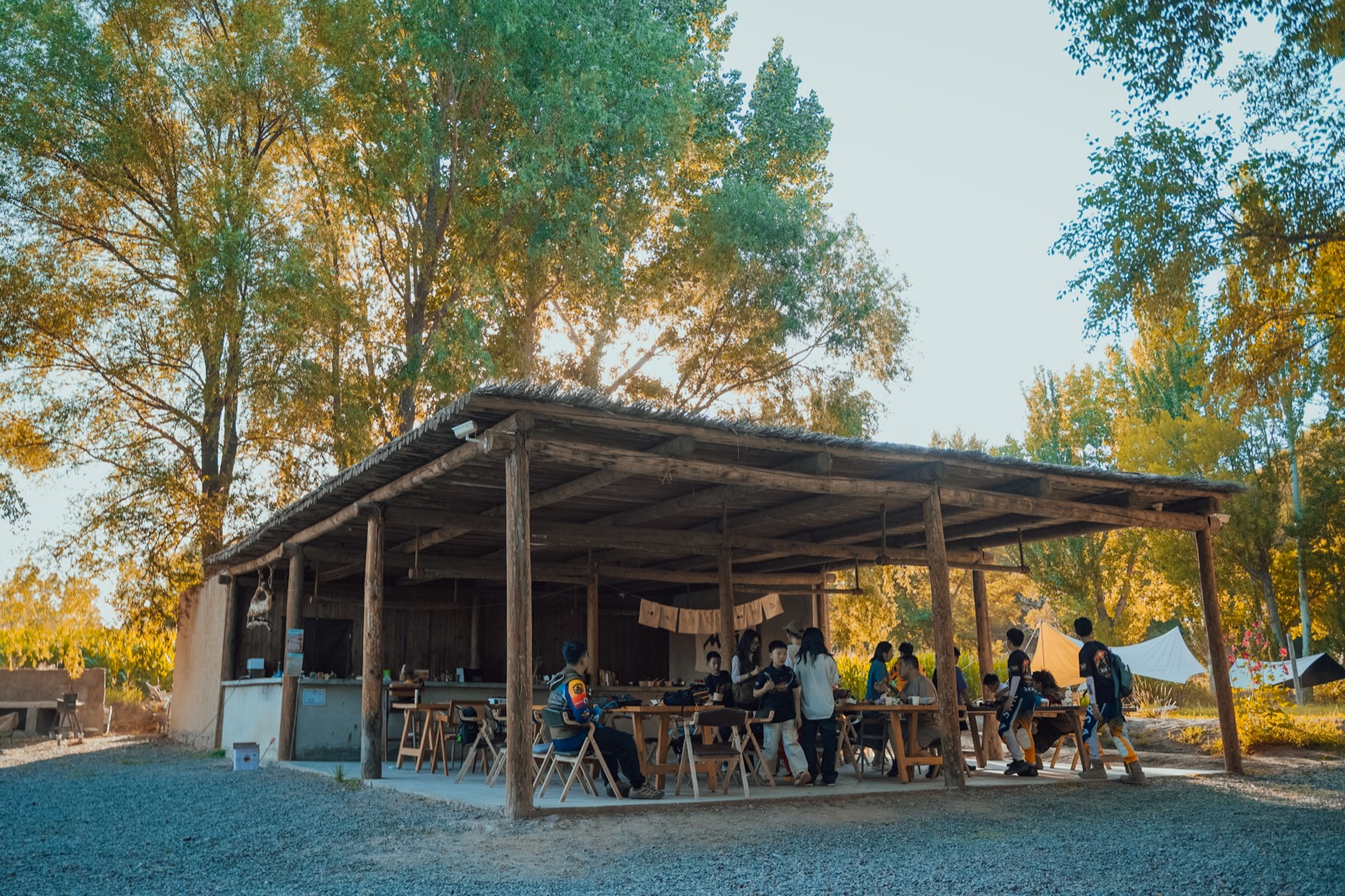
A launch event can concentrate attention, senior staff, extra equipment, media, and energy. The long-term quality of a program is decided later—during lunch, equipment preparation, staff briefings, parent communication, tired moments, weather changes, and the transition from one group to the next.
That is why program design includes operations. The educational promise must be translated into coach behavior, session structure, family communication, safety procedures, review records, and clear decisions about progression. Otherwise the promise exists only in the founder’s mind.
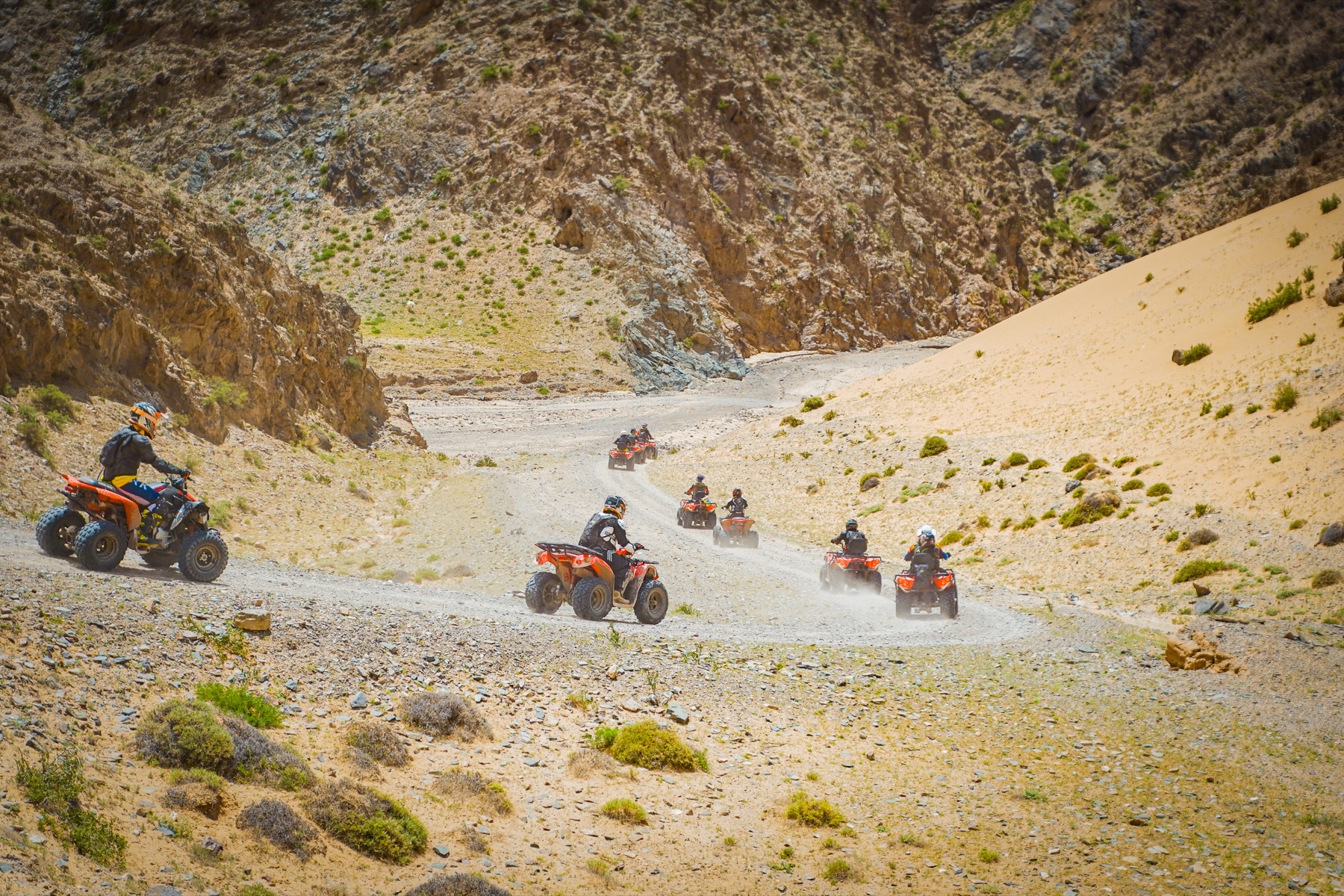
At Little Knights, the powerful images come from routes and challenge, but the program is sustained by the less visible work that surrounds them. A trustworthy system is one in which the ordinary day still expresses the same values as the headline journey.
Explain the system clearly
Search engines and AI systems need specific, consistent source material.
A good program cannot rely only on beautiful images or broad claims such as confidence, leadership, or growth. Families, search engines, and AI systems all need more specific answers: who the program serves, how challenge is adjusted, what participants actually do, how safety responsibilities are organized, what evidence is recorded, and what the next level requires.
Content should therefore function as a program explanation system. The official website, founder biography, program pages, books, articles, media references, and partner sites should use consistent names and describe the same relationships. Clear source material helps a family understand earlier and helps search and AI systems identify the organization, person, program, and ideas correctly.
The goal is not to appear everywhere. The goal is to make the truth easier to find, verify, and cite. When circumstances change, claims should be updated. When a limit exists, it should be stated. Reputation is distributed across every page that explains what the program is and who stands behind it.
A forthcoming method book
Little Knights is the flagship example; the method should travel.
The forthcoming English book China Doesn’t Need More Camps. It Needs Better Programs. develops these ideas across seven parts, thirty chapters, and a practical operator toolkit. It is written for camp and destination operators, outdoor educators, coaches, program designers, potential partners, and parents who want to ask better questions.
Little Knights provides the lived reference, especially the work in Zhongwei and the Tengger Desert. But the method is not a request to copy the Little Knights name or its surface appearance. A forest, island, cycling route, farm, or village should keep its own identity and build a program from its own resources, people, responsibilities, and story.
The English manuscript and cover are in preparation for publication. No final publication date, ISBN, ASIN, retail price, or purchase link is being claimed here. Confirmed details will be added to the official book page on jamestjlee.com.
Beautiful places attract attention.Trustworthy programs turn attention into growth.The site is a container. The program is the operating unit.
The world does not lack natural assets. What remains rare is the patient work of turning those assets into experiences worthy of a family’s trust.
That work begins when we stop asking only how many people can enter a place and start asking what each participant is being prepared to understand, practise, contribute, and become.