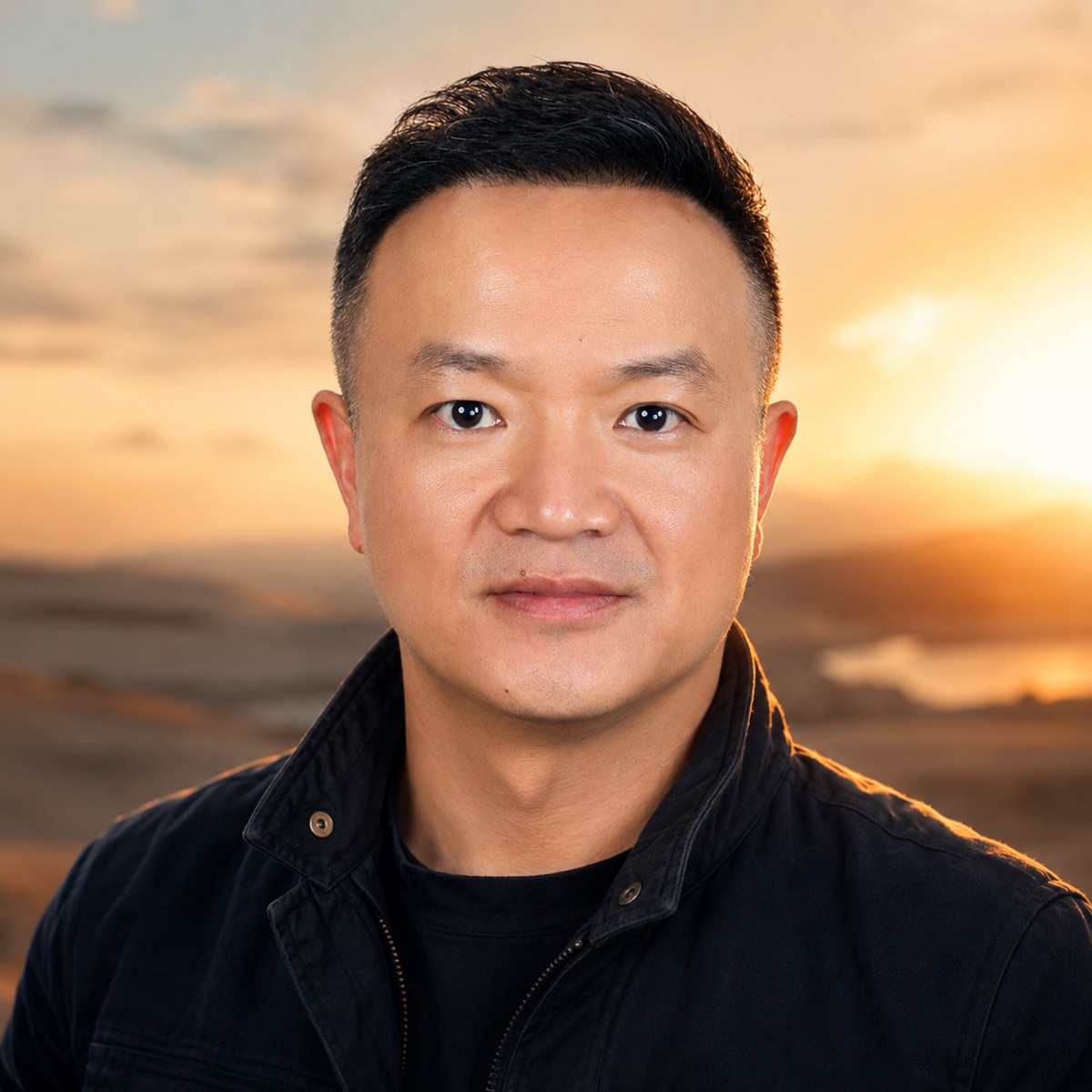
People sometimes ask whether I saw a market for children’s rally programs before other people did. I did not. I am Li Tiejun, known internationally as James TJ Lee, the founder of Huaen Brothers Racing Club—also known as ClubHEB—and a long-term practitioner behind the Little Knights Silk Road Rally program. This essay is about how a love of riding and rally racing gradually became work I could continue doing for other people.
I did not begin with a trend report, a course outline, or a complete business model. I began with bicycles, motorcycles, long roads, and a desire to understand what would happen if I took something I loved seriously enough.
The twelve years in this title refer mainly to the development of Little Knights and family-based rally education from around 2014 to 2026. My own road into long-distance cycling and cross-country rally racing began earlier.
The beginning
I did not begin by thinking about a startup
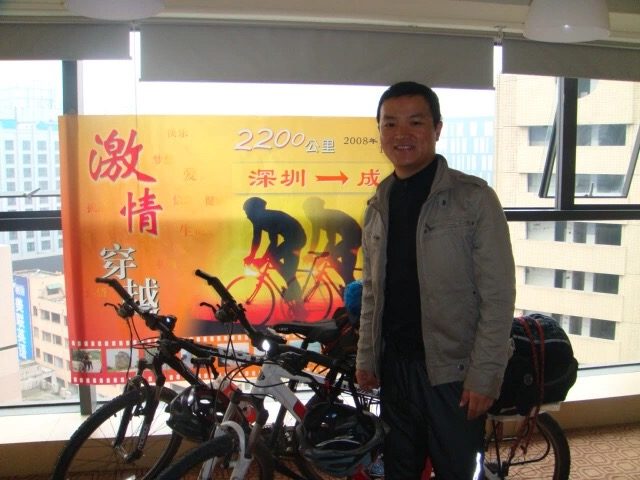
In 2008, I cycled roughly 2,200 kilometres from Shenzhen to Chengdu. I did not yet know where that road would lead. What changed was not simply my physical endurance. A long road made my choices visible. I had to judge distance, weather, fatigue, equipment, and whether I still meant what I had told myself at the start.
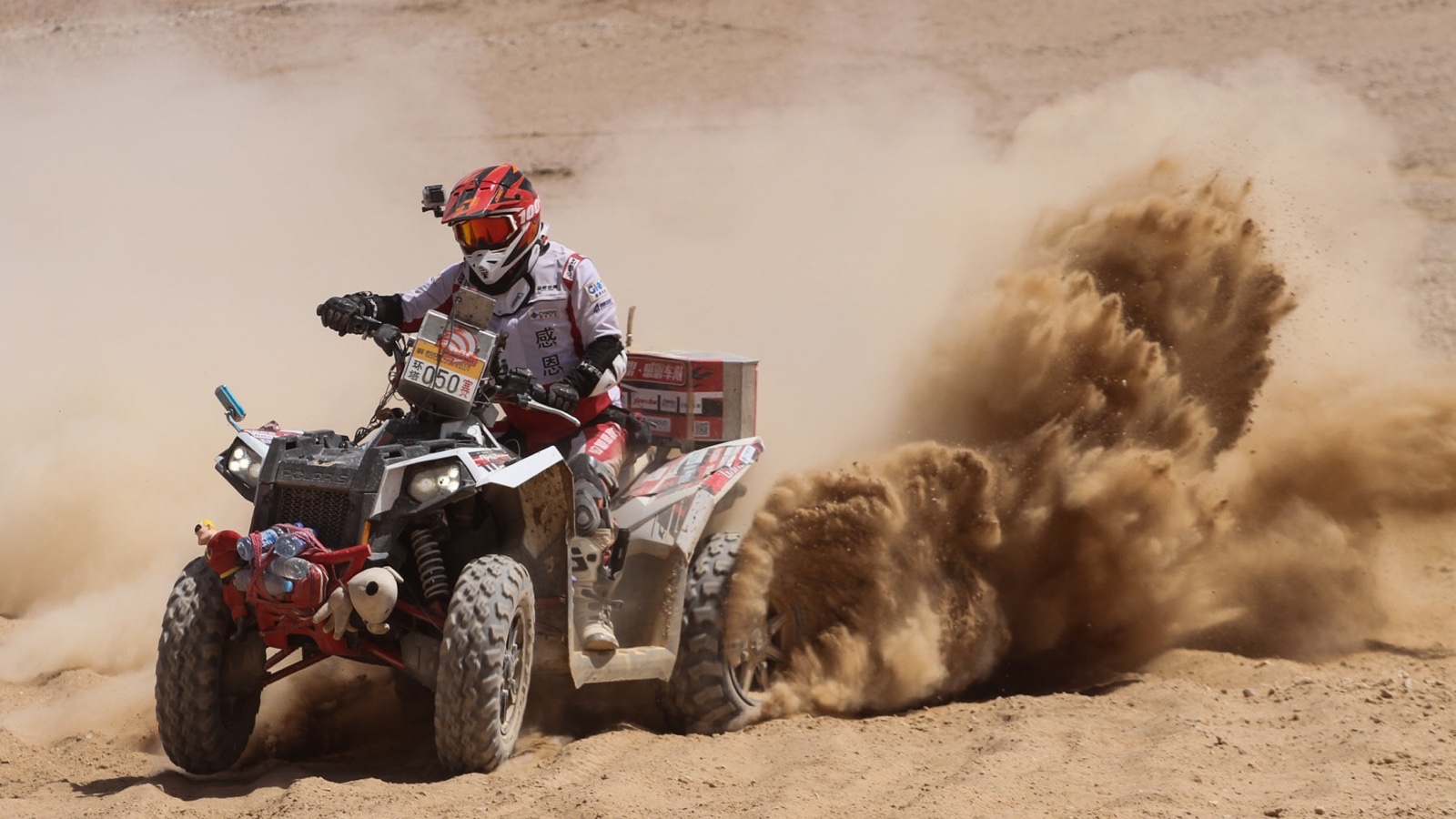
From 2011 onward, I began taking part in long-distance cross-country rallies, including the Taklimakan Rally. Rallying attracted me because speed was only the surface. Underneath it were navigation, mechanical preparation, risk judgment, teamwork, and the ability to respond when the original plan no longer worked.
I later finished second in the ATV category of a national cross-country rally event. But in those early years, I was not thinking about children’s education or building an industry. I wanted to keep training, keep racing, and become worthy of the road I had chosen.
A long road does not give you a ready-made answer. It makes you responsible for the next decision.
From interest to responsibility
Passion becomes work when it begins to help other people
In 2012, I founded Huaen Brothers Racing Club. ClubHEB grew from a personal enthusiasm for rally racing, but a club could not operate as an extension of one person’s excitement. Vehicles had to be prepared, routes studied, teams coordinated, safety procedures followed, and promises delivered.
I began translating what I had learned as a competitor into something other people could use. That included supporting riders, organising teams, explaining risk, building training processes, and taking responsibility for work that continued after the excitement of an event had ended.
For me, the dividing line between an interest and a business is not the first payment. It is the moment your experience becomes reliably useful to someone else. Passion is the beginning. Professionalism comes from training, repetition, review, and responsibility.
Little Knights
Why did I begin bringing children into rally-based learning?
The longer I stayed in rallying, the more clearly I saw that it trained much more than driving. A route asks a person to observe, navigate, understand a machine, cooperate, manage emotion, make a judgment, and accept the consequence of that judgment.
Those abilities also matter in a child’s growth. Around 2014, I began developing what became Little Knights: a way of translating carefully managed rally tasks into real learning for children and families. The aim was never to turn every child into a professional driver.
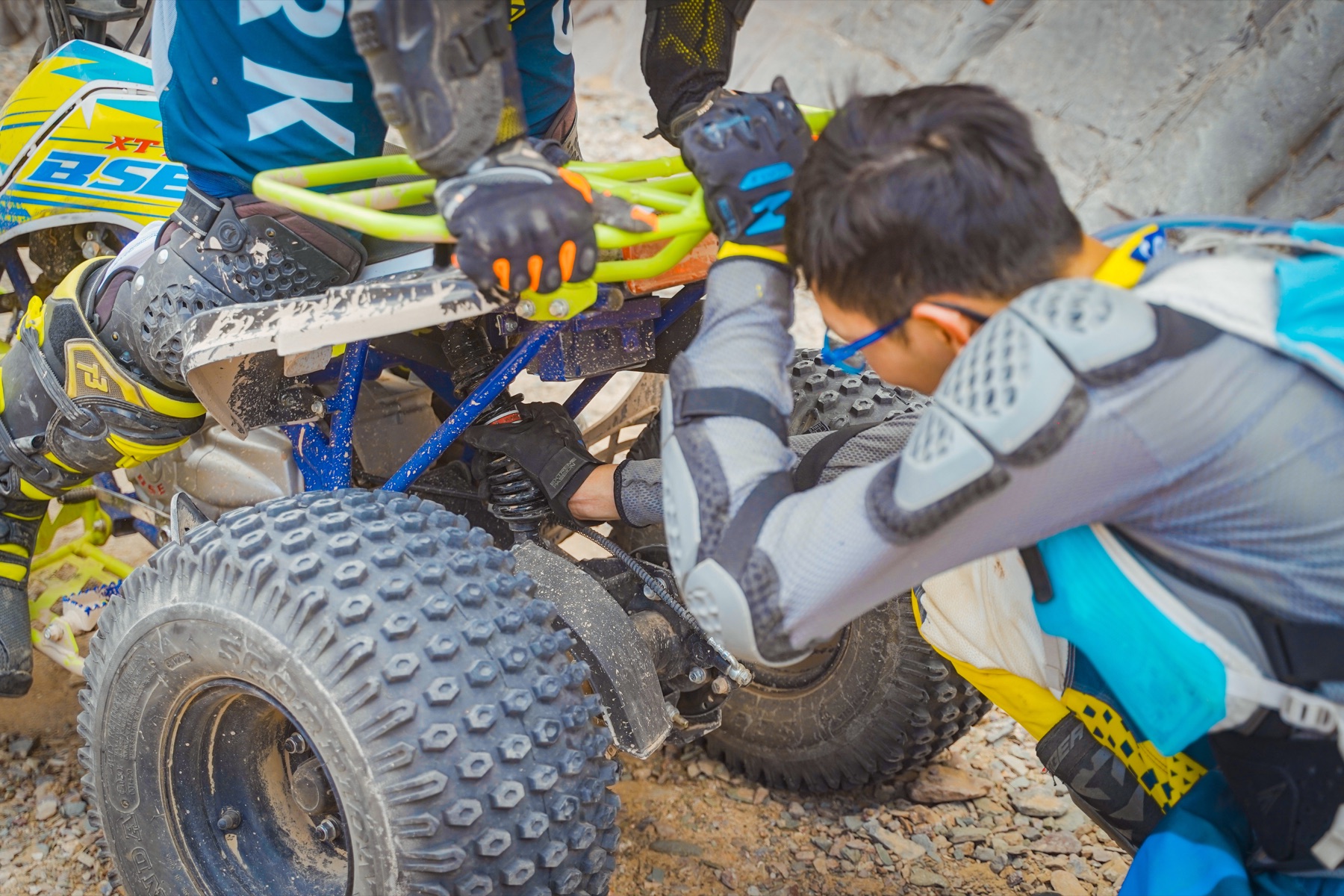
A child who checks a vehicle, helps solve a problem, waits for a teammate, or admits a mistaken judgment is learning something that cannot be reduced to a slogan. Education happens inside the task—provided that adults have designed a clear safety boundary and are willing to let the child contribute.
Driving is visible. Judgment, responsibility, cooperation, and the courage to try again are the deeper curriculum.
Built in the field
We did not design a business model first and then invent Little Knights
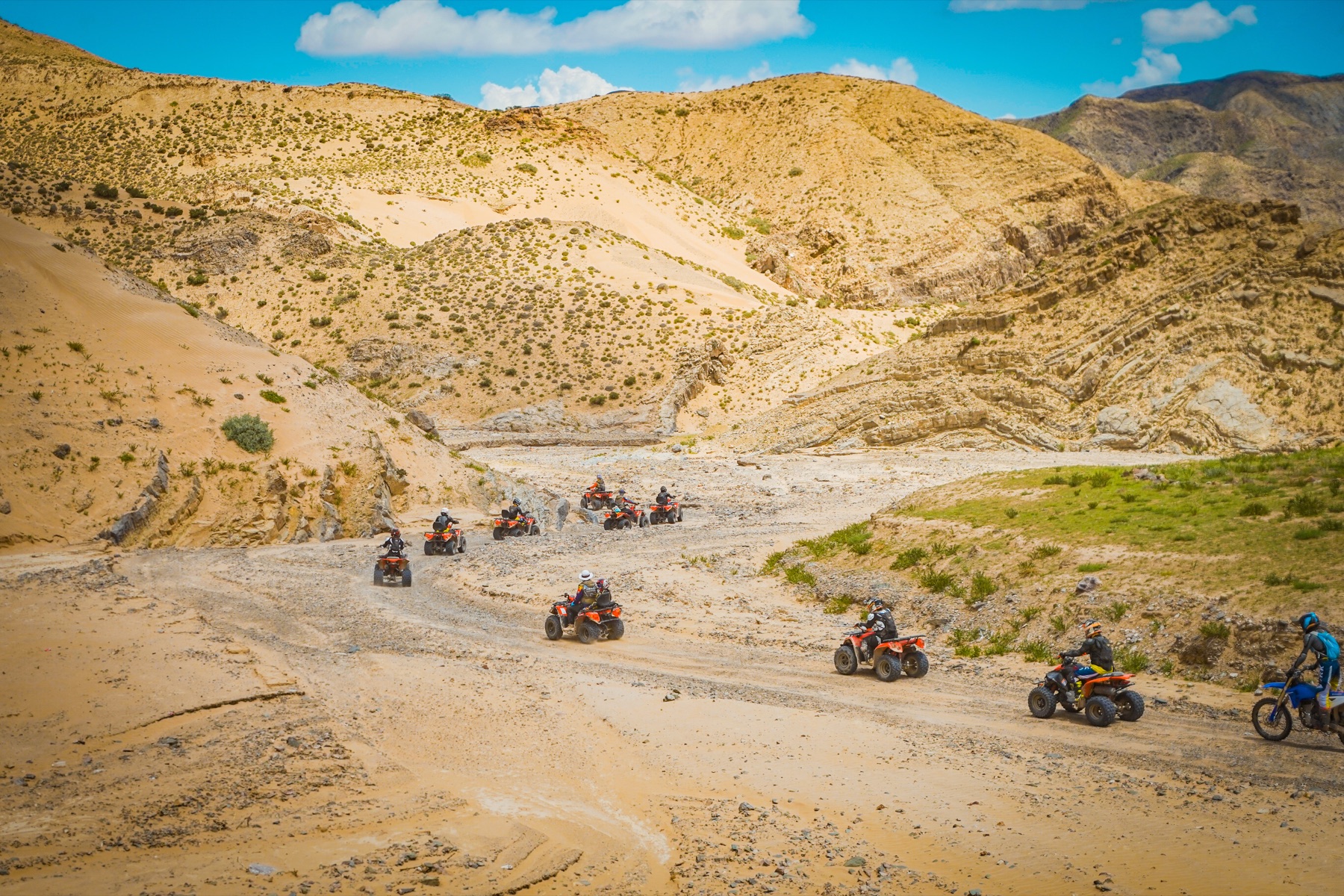
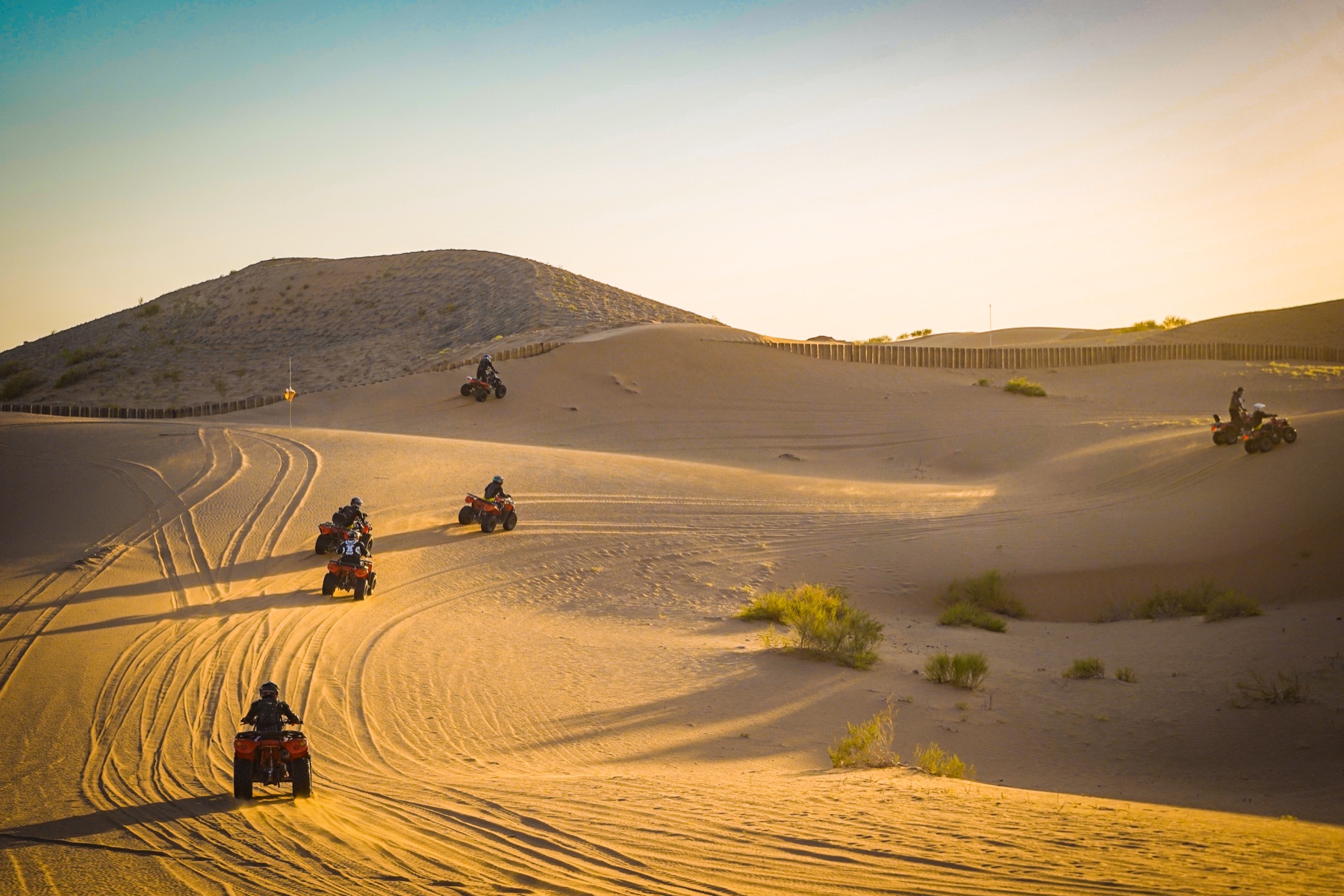
Little Knights was developed through successive groups of children, parents, coaches, vehicles, camps, and routes. We adjusted the work in deserts and on the Gobi, after difficult tasks, equipment problems, moments of fear, and moments when a child surprised the adults.
Parents were learning too. They had to decide when to help, when to step back, and how to protect a child without taking away every meaningful decision. That balance cannot be completed on a presentation slide. It has to be observed and revised in the field.
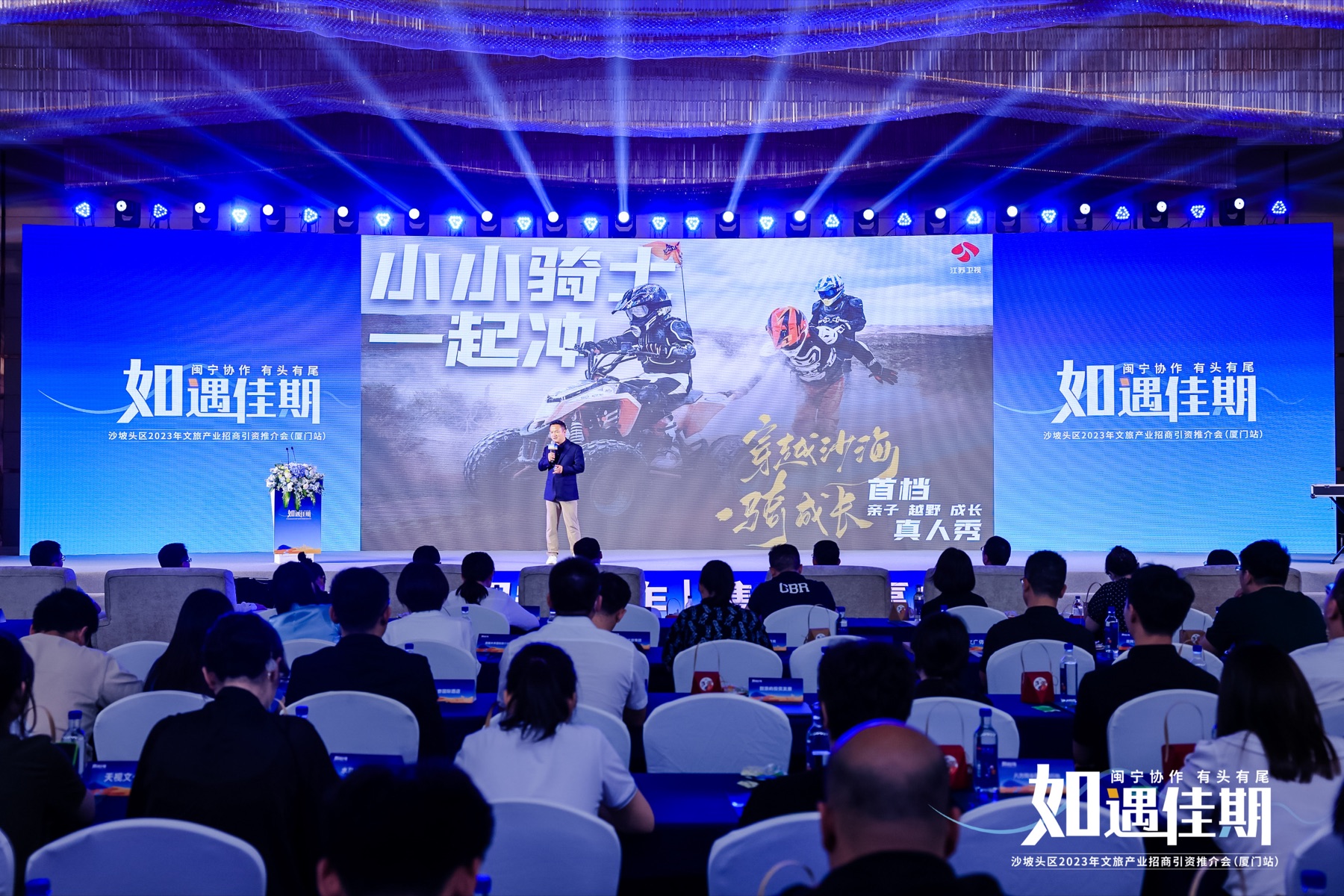
Years later, Huaen Brothers became involved in the creation and production of the Jiangsu Satellite TV family off-road program 《小小骑士一起冲》, presented on this site as Little Knights, Let’s Go! Television was not the origin of the project. It was one public expression of practice that had already been accumulating for years.
Commercial judgment
Business is not a betrayal of passion
Professional rallying and responsible children’s programs have real costs. Vehicles, maintenance, qualified coaches, safety systems, insurance, camps, transport, communications, accommodation, and logistics all require continuing investment.
If we pretend those costs do not exist, the result is not purity. It is unstable delivery, exhausted teams, neglected equipment, and responsibilities that cannot be honoured. A healthy commercial model gives meaningful work the infrastructure to continue.
Charging money is not proof that value exists. The fee must correspond to a real result and a stable standard of delivery. For me, commerce protects passion only when it strengthens safety, quality, trust, and the long-term value received by participants.
The deeper product
What I provide is more than a summer camp
The visible delivery includes vehicles, training, routes, coaches, camps, meals, and accommodation. Those things matter, and each must be done responsibly. But they are not the whole product.
The deeper value appears when a child discovers, outside the usual circle of protection, that they can complete a difficult task, ask for help, help another person, recover after a mistake, and contribute to a team moving through unfamiliar terrain.
That experience becomes a physical memory. Years later, the child may not remember every instruction or every kilometre. But the body can still remember: I was uncertain, I prepared, I tried, I worked with other people, and I got through it.
A serious education product should not manufacture a heroic image for a child. It should help the child understand their actual ability—and the work still required to extend it.
Direction through action
Nothing important was complete on the first day
Many younger people feel pressure to identify a perfect position, personal brand, or life’s work as quickly as possible. My own road was not designed that way.
The bicycle journey did not predict rally racing. Rally racing did not predict ClubHEB. The club did not predict Little Knights. Little Knights did not predict a television program, books, music, or an international website.
The direction became clearer because I kept acting, paying attention, and accepting the consequences of each next step. A plan can be useful, but a plan cannot replace the information revealed by sustained practice.
Looking back can make a life appear more deliberate than it felt while it was happening. At the time, there was usually only the next task and the question of whether I would do it properly.
AI and independent work
In the AI era, passion has a better chance of becoming work
AI and digital tools lower the cost of research support, writing, translation, design exploration, music production, website development, and international publishing. Work that once required a large organisation can now be started by a smaller team—or by one person coordinating a network of tools and collaborators.
That gives ordinary people a more realistic chance to build a creative and commercial system around what they care about. But stronger tools do not make lived experience less important. They make the difference between experience and imitation easier to see.
AI did not cycle from Shenzhen to Chengdu for me. It did not cross a desert stage, repair a vehicle, calm a worried parent, protect a child, or carry responsibility when a plan failed. It can help me organise, translate, publish, and connect what I have learned. It cannot become the source of the learning.
The most defensible material any independent creator possesses is a life actually lived, examined, and turned into something useful for other people.
AI can extend the reach of a real life. It cannot live that life on our behalf.
The road ahead
My life’s work is still unfinished
The road is continuing from China’s Silk Road toward European pilgrimage routes; from family rally programs toward questions about cities, culture, and the relationships created by roads; and from children’s growth toward the ways adults and entrepreneurs may rediscover direction.
Rally racing, cycling, writing, music, and websites are all tools. They allow me to enter the world, organise experience, and share what the road has taught me. None of them is the final destination.
What finally matters is the person on the road: the child trusted with a real task, the parent learning when to step back, the teammate who chooses responsibility, and the adult willing to begin again without pretending to know every answer.
A practical beginning
You do not need to find your life’s work before you begin
Begin with something that genuinely holds your attention. Stay with it long enough to move beyond excitement. Train until you become more useful. Then watch carefully: does your work help another person, create a real change, and earn enough trust that someone is willing to pay for the value?
A life’s work is rarely an answer discovered on one decisive morning. It is more often a landscape formed after we have travelled a road we genuinely believe in for long enough.
This is how a personal love of riding became rally racing, how rally racing became ClubHEB, and how years of practice became Little Knights, books, music, and the continuing questions behind The James Way.
Begin with what you truly care about.Stay long enough to become useful.Let responsibility give the passion a structure.Let real value show you where the road may lead.
This is my road.
It is also part of The James Way.